
How We Helped The Ancient Way Build an Organic Audience From Scratch
The Ancient Way is a ministry with a mission as old as the faith itself: connecting people to the ancient roots of the Christian faith by embracing the Jewishness of Jesus. They serve as a bridge between Christian and Messianic Jewish communities — helping followers rediscover the Torah, the biblical calendar's rhythm, and God's covenants with Israel through teaching, storytelling, and community.
When they came to us, they had a calling and a conviction. What they didn't have was anything else. No name that was finalized. No brand. No website. No content. No audience beyond their immediate circle.
We started from scratch — and built everything together.
Today, The Ancient Way reaches over 3,000 people every month through organic search alone. Traffic that didn't exist two years ago. An audience of people who found them because they were searching for exactly what this ministry offers.
The Problem
There is a real and growing audience searching online for content about the Jewish roots of the Christian faith — Messianic theology, Hebrew scripture, the Jewishness of Jesus, biblical calendar observance, the feasts and festivals of the Lord. These are people who feel a deep pull toward something most churches don't teach, and they're actively looking for trustworthy, well-grounded resources.
The Ancient Way was called to be exactly that resource. But being called to something and being findable for it are two different things. Without a name people could remember, a brand worth trusting, and a digital presence built to grow, those searches were landing somewhere else.
Our Approach
Brand and Identity
Before we built anything, we started with the name. "The Ancient Way" wasn't just a title — it needed to carry the weight of the mission and work across a domain, a visual identity, and years of content. We worked through the naming and domain selection together, choosing a name that resonated with people looking to return to the Jewish roots of their faith.
From there, we built out the brand: a logo, a font pairing, and a visual identity system that felt rooted and trustworthy without being stiff. For a ministry teaching people to reconnect with something ancient, the brand had to feel like it belonged. It did.
Website Strategy and Structure
With the identity in place, we turned to the site. Before a single page was built, we mapped the architecture — how to organize the content so that both visitors and search engines could understand what The Ancient Way is, what they teach, and who they serve.
That meant dedicated sections for video and podcast content, not just buried links but properly structured areas of the site that Google could index and rank independently. Teaching content, written articles, free resources, and media all had their own place — connected intentionally so that every entry point led visitors deeper into the ministry.
Podcast Setup — From Equipment to Publication
The Ancient Way's teaching was always meant to be heard, not just read. We helped set up the podcast end to end — equipment selection and configuration, recording setup, hosting, and RSS feed — and integrated it directly into the website so that the podcast lived on their own platform, not just a third-party app.
That integration matters for SEO. When your podcast lives on your site, every episode is a page Google can find, index, and rank. Listeners who discover an episode through Spotify or Apple Podcasts and want to learn more land on your site — not a dead end.
We did the same with YouTube, structuring the channel and ensuring the video content connected back to the site in ways that compounded discoverability across platforms.
A Year of Targeted Content
A foundation is only as valuable as what gets built on it. Over the course of the first year, we developed and published a steady body of content targeted at the specific topics the Messianic audience were actively searching for — keyword by keyword, question by question.
We also created free resources designed to serve people at the exact moment they were exploring for the first time: a Sabbath guide for people curious about observing the biblical day of rest, and practical introductions to the biblical and Jewish festivals — Passover, Shavuot, Sukkot, and others — that many Christians are discovering for the first time.
These weren't afterthoughts. They were strategic. Free, genuinely useful resources build trust, generate links, and bring in exactly the kind of search traffic that turns into a real, engaged audience.
SEO Foundation
Running underneath all of it was the technical infrastructure most new sites skip and then spend years trying to recover from. Google Search Console and Google Analytics configured from Day One. XML sitemap generated and submitted. Keyword-targeted meta titles and descriptions on every page. Structured data implemented so search engines could accurately understand the content's context. The specific language people use when searching for Messianic Jewish content, woven into the site from the start.
None of it was glamorous. All of it mattered.
The Results
In year one, The Ancient Way went from zero to a growing organic audience — traffic building steadily as the content index grew and the site established its credibility with Google.
In year two, that foundation started paying the kind of dividends that only a well-built SEO strategy can produce: traffic quadrupled. The ministry now reaches over 3,000 people every month through organic search — without a single dollar spent on advertising.
Those aren't passive visitors. They're people who searched for something specific — how to celebrate the Sabbath, what the biblical festivals mean, how to understand Jesus through his Jewish context — and found The Ancient Way because the content, the structure, and the foundation were all doing their job.
Key Takeaway
SEO is not a campaign. It's a foundation. And foundations compound.
The Ancient Way's growth didn't come from one great piece of content or a viral moment. It came from two years of consistent, strategic work — a brand worth trusting, a site built to be found, content that answered real questions, and a technical foundation that let all of it be discovered.
The biggest mistake new ministries and nonprofits make is treating their digital presence as something to figure out later. But the digital foundation is how the audience gets built. Start with the right structure, the right content strategy, and the right technical setup — and every piece of content you publish starts working harder over time, not less.
Is your ministry or nonprofit leaving that kind of reach on the table? Let's talk about how we can help you build a digital presence that actually grows.
About the Author
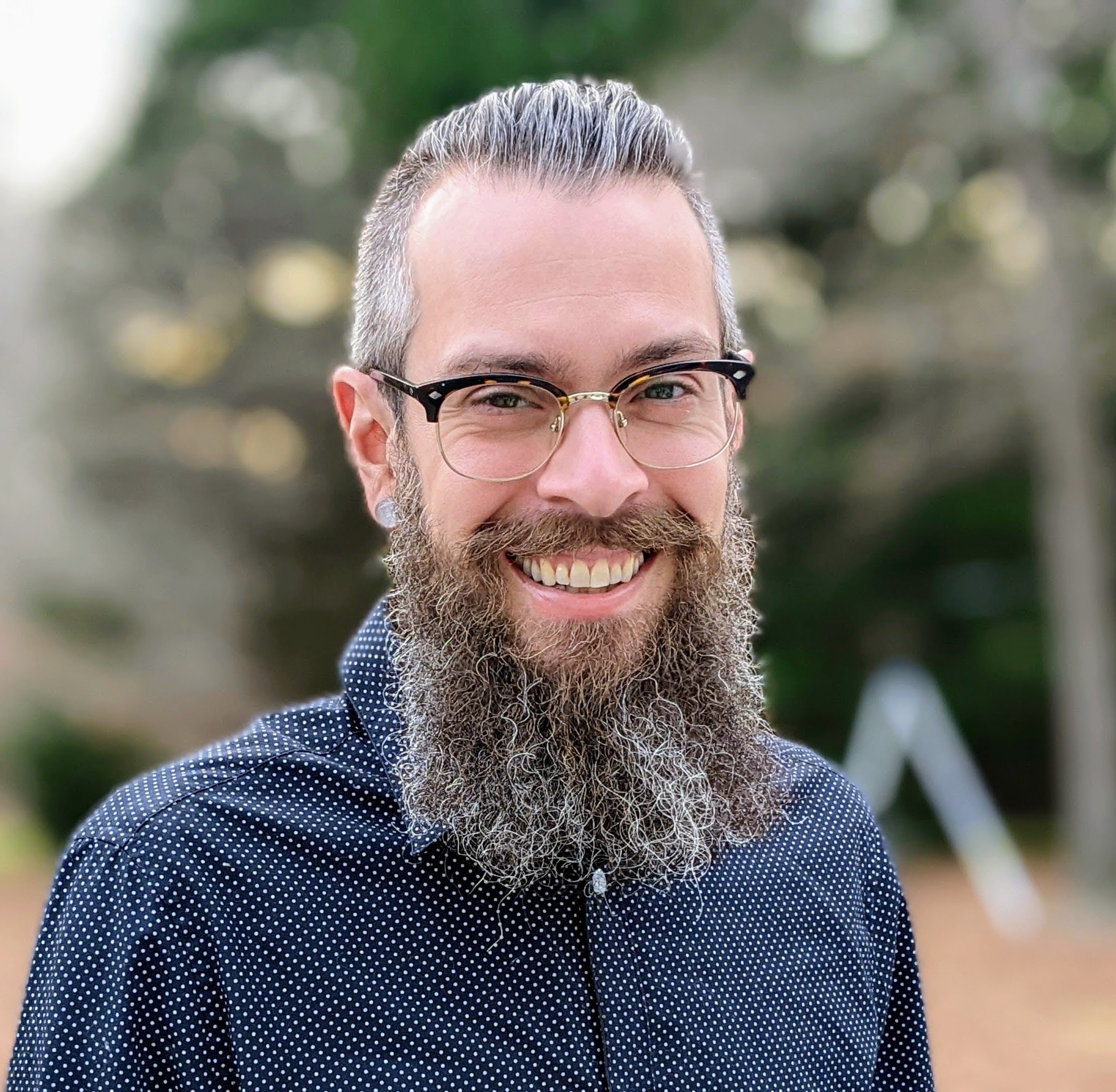
Jon Horton is the founder of NewCulture. With 20+ years in technology and digital strategy, he helps businesses, nonprofits, and churches build their online presence and reach more people.
More from the Blog

How to Validate Your Business Idea Before You Spend a Dime
You've got an idea that won't leave you alone. It follows you into the shower, interrupts your commute, keeps you up at night. But before you pour your savings into it, there's one question you need to answer — and most people skip it entirely.

How to Start a Small Business — A Practical Guide for First-Time Entrepreneurs
You've googled 'how to start a business' and gotten back a thousand steps, fourteen checklists, and more acronyms than you can handle. Here's the truth: starting is simpler than the internet makes it sound. You need clarity, not complexity.

How AI Can Help Your Business Save Time, Get More Done, and Grow Revenue
You know AI matters. You've heard it can save you hours every week. But you haven't had the time to figure out what that actually looks like for your business. Here's why it's worth making the time — and how to start without the overwhelm.