
From Garage Roaster to Real Brand: How Revayah Coffee Built a Growing Business From What They Had
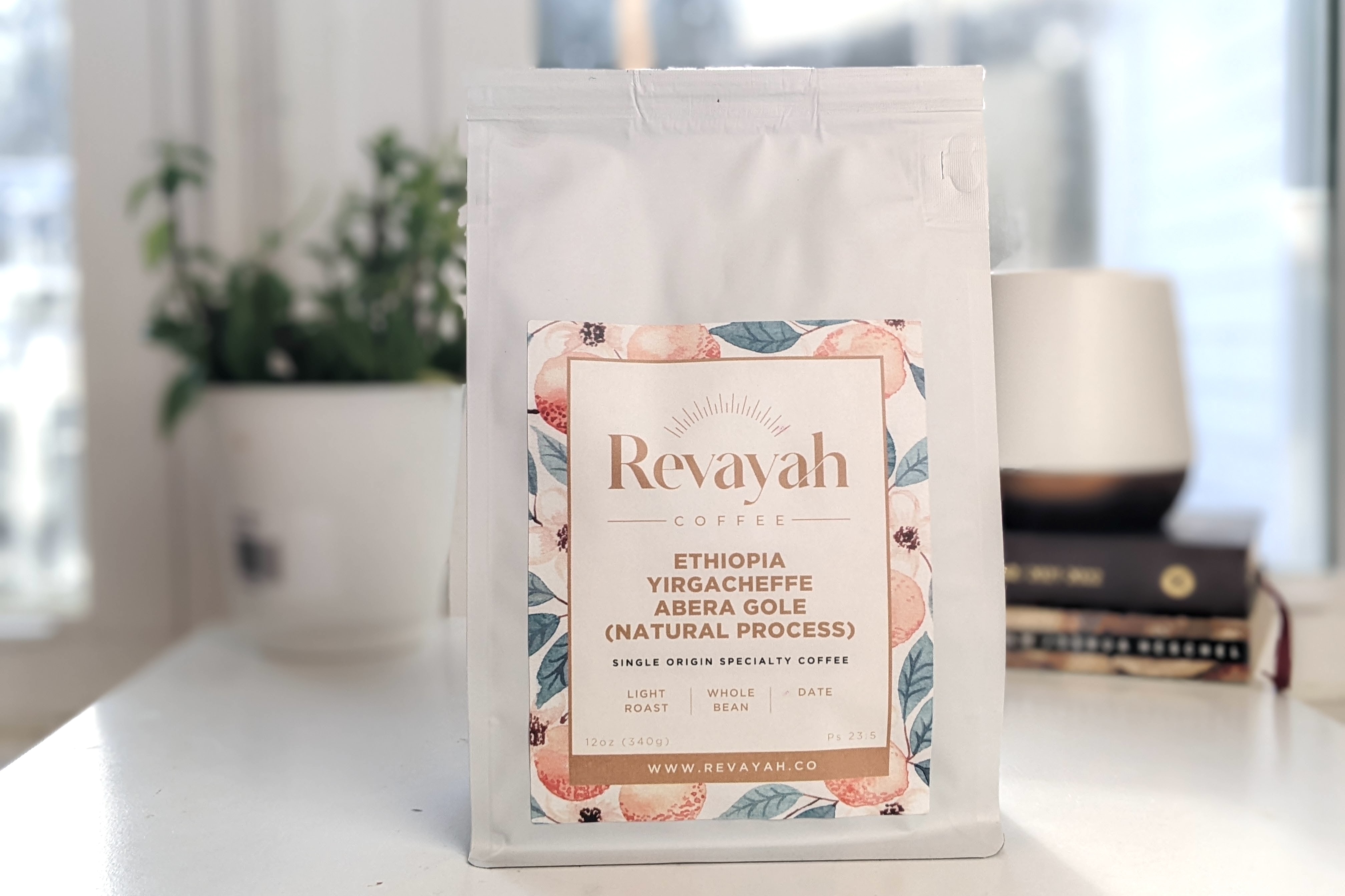
Some businesses start with a pitch deck and a funding round. Others start with a bag of green coffee beans and a roaster in the garage.
Revayah Coffee was the second kind.
The idea was simple and personal: specialty coffee done right. Single-origin beans. Small-batch roasting. Tasting notes worth talking about — berries, citrus, warm chocolate — the kind of flavors hiding in a cup that most people have never experienced because they've only ever had mass-produced coffee that was roasted months ago and shipped across the country.
The founders knew the coffee was good. The question was whether they could build a real business around it without waiting until everything was perfect, the roaster was bigger, the budget was there, or the timing was right.
They decided not to wait. And that decision made all the difference.
The Problem
Starting with a small-batch garage roaster is both a constraint and a gift. The constraint is obvious: you can only roast so much at a time, which limits volume, which limits revenue. The gift is less obvious: it forces you to be intentional. Every pound matters. Every customer matters. You can't hide mediocrity behind scale.
But intentionality alone doesn't build an audience. Revayah Coffee needed people to find them — not just friends and family who'd buy a bag to be supportive, but real customers who came back because the coffee was that good.
That meant building a brand and a digital presence worth discovering, on a budget that matched where the business actually was — not where they hoped it would be someday.
Our Approach
SEO Foundation
We started with the foundation that makes everything else work. The website was built and optimized from the ground up for search — keyword research targeting the terms specialty coffee buyers actually use, meta titles and descriptions written for every page, Google Search Console and Analytics configured so we could measure what was working and adjust quickly.
For a small business competing against established roasters with years of domain authority, getting the technical fundamentals right wasn't optional. It was the only path to organic visibility that didn't require an ad budget they didn't have yet.
Multi-Channel Reach: Social Media and Amazon
SEO builds long-term traffic. But in year one, you also need reach right now. We helped Revayah Coffee build a social media presence that matched the brand — warm, genuine, and specific about what made their coffee different. Not just product photos, but the story behind the roast. The craft behind the cup.
We also set up an Amazon storefront to put Revayah Coffee in front of the millions of people already shopping for specialty coffee there. Amazon is a search engine too — and for physical products, it's often the first place people look. Having a presence there with optimized listings meant Revayah Coffee could be discovered by buyers who had never heard of them and might never have found a small independent roaster's website on their own.
Each channel served a different discovery moment. Together, they multiplied the surface area for new customers to find the brand.
Google Ads: Accelerating the Organic Foundation
Organic SEO takes time to compound. Google Ads helped compress that timeline.
We ran targeted campaigns aimed at specialty coffee buyers — people searching for single-origin coffee, small-batch roasters, and fresh-roasted beans delivered to their door. The ads drove immediate traffic while the organic foundation was still building authority. And there's a compounding effect here that most people don't talk about: the click-through signals, site engagement, and brand recognition that come from paid search can reinforce organic rankings over time. The two strategies weren't competing — they were working together.
The Results
By the end of year one, Revayah Coffee had built something real:
- 2,000+ pounds of specialty coffee roasted
- 500+ orders fulfilled
- 250+ happy customers served
More than the numbers: consistent, repeat customers who came back not because of a discount or a promotion, but because the coffee was genuinely that good and the brand had earned their trust. A respected presence in a crowded market. A business that started in a garage and built the kind of customer relationships most brands spend years trying to manufacture.
They didn't wait for a bigger roaster. They didn't wait for the perfect moment. They started with what they had, built a brand worth finding, and let the work compound.
Key Takeaway
The size of your starting point is not the limit of your potential. It's just where the story begins.
Revayah Coffee's success in year one wasn't about having the biggest roaster or the largest ad budget. It was about doing the foundational work well — a brand worth trusting, a website built to be found, a multi-channel strategy that put the product in front of the right people through multiple discovery paths, and the discipline to start before everything was perfect.
That's a model that works for any small business with a product or service they genuinely believe in.
If you have something worth selling and you're ready to build the foundation that gets it found, our Website & SEO Audit is a great place to start — or get in touch and let's talk about what a full strategy could look like for your business.
About the Author
Jon Horton is the founder of NewCulture. With 20+ years in technology and digital strategy, he helps businesses, nonprofits, and churches build their online presence and reach more people.
More from the Blog

How to Validate Your Business Idea Before You Spend a Dime
You've got an idea that won't leave you alone. It follows you into the shower, interrupts your commute, keeps you up at night. But before you pour your savings into it, there's one question you need to answer — and most people skip it entirely.
How to Start a Small Business — A Practical Guide for First-Time Entrepreneurs
You've googled 'how to start a business' and gotten back a thousand steps, fourteen checklists, and more acronyms than you can handle. Here's the truth: starting is simpler than the internet makes it sound. You need clarity, not complexity.

How AI Can Help Your Business Save Time, Get More Done, and Grow Revenue
You know AI matters. You've heard it can save you hours every week. But you haven't had the time to figure out what that actually looks like for your business. Here's why it's worth making the time — and how to start without the overwhelm.