From Idea to Income: How to Know When You're Ready to Launch

You have an idea you can't stop thinking about.
Maybe it's a business you've been sketching out in your head for two years. A service you know you could offer. A product you keep imagining. A nonprofit you feel called to start.
And every time you get close to actually doing something about it, a familiar voice shows up. You're not ready yet. You need more time. You need more money. You need a better plan. You need to know more.
So you wait. And the idea is still there.
Here's what I want to ask you honestly: is that voice wisdom, or is it fear wearing the costume of wisdom?
Because there's a real difference between not being ready and not being willing. And most people who spend years "getting ready" are actually stuck in the second one.
The Myth of Feeling Ready
I'll tell you something I've learned from building NewCulture and from working with dozens of entrepreneurs, nonprofit founders, and ministry leaders: nobody feels ready when they launch.
Not the ones who succeed. Not the ones you admire. Not the people whose businesses look inevitable in hindsight.
Ready isn't a feeling. It's a decision.
The people who build something meaningful don't launch because they finally have all the answers. They launch because they reach a point where the cost of staying stuck becomes higher than the risk of starting. Where the idea becomes more uncomfortable to ignore than to pursue.
That's the moment. Not when everything is perfect. When you decide that waiting is no longer an option.
Signs You're Actually Ready (Even If You Don't Feel Like It)
Forget the feeling for a moment. Let's talk about what's actually true.
You can clearly describe who you're helping and what problem you're solving. You don't need a polished elevator pitch — but if you can explain in plain language what you do and who it's for, you have the foundation.
You've talked to at least a few people in your target audience. Not just friends and family who will be encouraging no matter what. Real people who have the problem you're trying to solve. And they've confirmed they actually have that problem.
You have a minimum viable version of what you're offering. Not the full vision. Not the complete product. The smallest version that could still deliver real value. A first course. A first service. A first conversation. A first prototype.
You can name the one thing you need to do to get your first customer. If you can answer "what's the next step to get someone to pay for this or engage with this?" — you're ready to take that step.
None of those require a finished website. A perfect brand. A business plan that covers every scenario. Or a guarantee that it will work.
Signs You're Using "Not Ready" as a Shield
This is harder to hear, but I think it's worth saying.
You might not be getting ready. You might be hiding.
The research that never ends. The logo that goes through fifteen revisions before you've talked to a single customer. The business plan that grows more detailed while the idea stays safely theoretical. These aren't preparation. They're protection — from the vulnerability of putting something real into the world and finding out how people respond.
That's human. It makes complete sense. Launching means risking rejection. It means your idea has to leave the safety of your imagination and exist somewhere people can actually see it and judge it.
But here's what I believe: the version of you that launches an imperfect thing and learns from it will always be further ahead than the version of you that never launched at all.
Done is better than perfect. Shipped is better than planned. In the market is better than in your head.
What "Launch" Actually Means
I think part of what keeps people stuck is a picture of launch that's too big.
They imagine a launch as a grand unveiling — a product announcement, a press release, a polished website, a social media blitz, an audience waiting. And because they don't have any of that, they feel like they can't launch yet.
But your first launch might just be a conversation. An email to ten people you know. A simple landing page with a buy button. A social post that says "I'm starting something — here's what it is."
When I was building NewCulture, I didn't wait until everything was perfect to start helping people. I started doing the work — the audits, the strategy, the coaching — and the business formed around the work. The systems I teach in the Turn Your Idea Into Action guide? I built them by doing this, not by planning to do it.
That's how most real businesses start. Not with a launch. With a step.
The Question That Actually Matters
Not "am I ready?" That question will never have a satisfying answer.
The question that actually moves you forward is this: what is the smallest thing I could do this week to test whether this idea has legs?
Talk to three people. Set up a simple landing page. Offer your service to one person at a reduced rate in exchange for honest feedback. Write the first piece of content. Make the first thing.
Take that step. See what happens. Let reality give you information that your imagination never can.
I believe that the idea you keep coming back to is there for a reason. The fact that it won't leave you alone is worth paying attention to. Most people walk away from the best ideas of their lives because they waited for a permission or a certainty that was never going to come.
You don't need more time. You need a framework and a first step.
If you're ready to stop planning and start building, our Turn Your Idea Into Action guide gives you a practical 6-week framework to go from concept to launch — clarity exercises, a validation process, a go-to-market plan, and the mindset tools to get out of your own way.
One step. It starts there.
About the Author
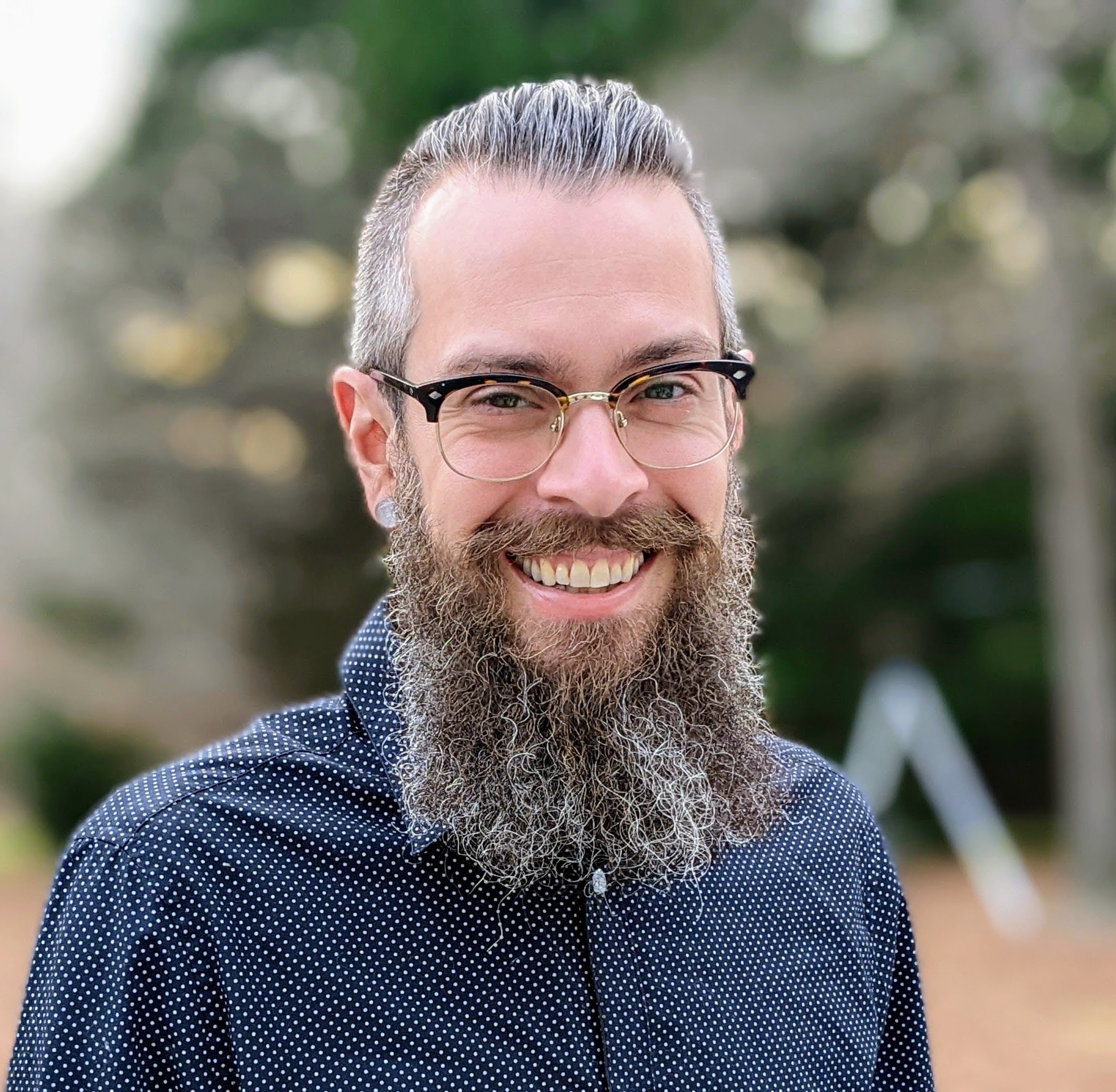
Jon Horton is the founder of NewCulture. With 20+ years in technology and digital strategy, he helps businesses, nonprofits, and churches build their online presence and reach more people.
More from the Blog

How to Validate Your Business Idea Before You Spend a Dime
You've got an idea that won't leave you alone. It follows you into the shower, interrupts your commute, keeps you up at night. But before you pour your savings into it, there's one question you need to answer — and most people skip it entirely.

How to Start a Small Business — A Practical Guide for First-Time Entrepreneurs
You've googled 'how to start a business' and gotten back a thousand steps, fourteen checklists, and more acronyms than you can handle. Here's the truth: starting is simpler than the internet makes it sound. You need clarity, not complexity.

How AI Can Help Your Business Save Time, Get More Done, and Grow Revenue
You know AI matters. You've heard it can save you hours every week. But you haven't had the time to figure out what that actually looks like for your business. Here's why it's worth making the time — and how to start without the overwhelm.