
5 Ways to Grow Your Small Business Online Through SEO
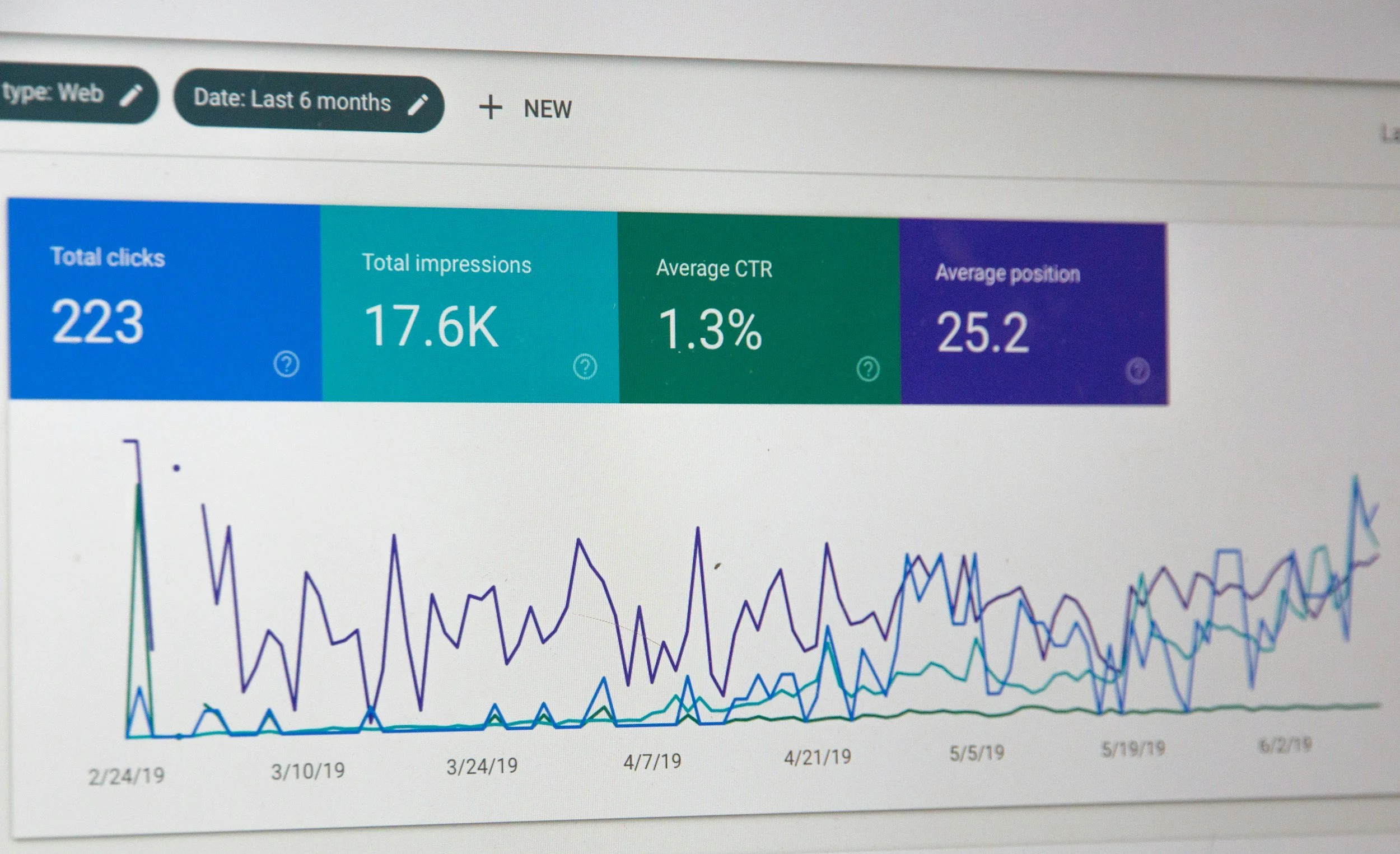
In today's ever-connected world, leveraging Search Engine Optimization (SEO) is crucial for small businesses who want to grow their online presence.
With millions of businesses competing for visibility, a well-executed SEO strategy can be the difference between getting lost in the crowd or attracting the right audience to your website. Implementing effective SEO strategies enhances your visibility, attracts more customers, and ultimately positions your business to grow. Here are five actionable ways to grow your small business online through SEO.
1. Conduct Keyword Research to Target the Right Audience
Understanding the search terms your potential customers use is essential to SEO. Every moment, potential customers are typing keywords and key-phrases into search engines to find businesses like yours. To grow your small business online, it's essential to identify high-impact keywords related to your products or services.
A good starting point is to put yourself in the shoes of your customer. What problem are they trying to solve? What questions might they be asking that your small business can solve? Open up a document and start making a list. You can also utilize tools like Google Keyword Planner, Ahrefs, or SEMrush to research the best keywords with a balance of high search volume and low competition. Once you have a solid list of keywords, you can use these tools to determine which ones are most likely to rank with your audience.
Incorporate these keywords naturally into your website content, meta descriptions, and titles to improve your search engine rankings. Avoid keyword stuffing, as this can harm your rankings—focus on creating great content that seamlessly integrates these terms while providing real value to your visitors.
2. Optimize Your Website's On-Page Elements for Better Rankings
SEO is more than just keywords; your website's structure and technical performance also play a significant role. Optimizing on-page elements ensures that search engines can easily crawl and index your site while providing users with a holistic experience.
Key on-page SEO optimizations:
- Title Tags and Meta Descriptions: Create unique, compelling titles and meta descriptions for each page.
- Header Tags (H1, H2, H3): Use headings strategically to break up content.
- URL Structure: Keep URLs short, descriptive, and keyword-rich.
- Image Optimization: Use descriptive file names and alt text for images.
- Mobile Friendliness: Ensure your site is responsive.
- Site Speed: A fast-loading site improves user experience. Use Google PageSpeed Insights.
3. Create High-Quality, Relevant Content to Establish Authority
Content is king in the world of SEO. Regularly publishing valuable content that addresses the needs of your target audience can establish your authority and improve search engine rankings.
Consider starting a blog with:
- How-to guides and tutorials
- Customer success stories
- Industry news and trends
- FAQs
Focus on E-E-A-T (Experience, Expertise, Authoritativeness, and Trustworthiness).
4. Build Quality Backlinks to Increase Domain Authority
Backlinks act as endorsements in the eyes of search engines. Ways to build backlinks:
- Guest Posting
- Local Directories and Citations
- Creating Shareable Content
- Networking with Industry Influencers
Avoid black-hat SEO tactics like buying links.
5. Monitor and Analyze Your SEO Performance to Stay Ahead
SEO is an ongoing process. Essential tools:
- Google Analytics
- Google Search Console
- Ahrefs or SEMrush
Conclusion
By implementing these five SEO strategies, you can significantly enhance your small business's online visibility. SEO is not a one-time effort but an ongoing process. Investing in SEO now will position your business for long-term growth.
If you want expert help with your SEO strategy, our Website & SEO Audit gives you a comprehensive analysis of your online presence with a clear action plan for growth.

About the Author
Jon Horton is the founder of NewCulture. With 20+ years in technology and digital strategy, he helps businesses, nonprofits, and churches build their online presence and reach more people.
More from the Blog

How to Validate Your Business Idea Before You Spend a Dime
You've got an idea that won't leave you alone. It follows you into the shower, interrupts your commute, keeps you up at night. But before you pour your savings into it, there's one question you need to answer — and most people skip it entirely.

How to Start a Small Business — A Practical Guide for First-Time Entrepreneurs
You've googled 'how to start a business' and gotten back a thousand steps, fourteen checklists, and more acronyms than you can handle. Here's the truth: starting is simpler than the internet makes it sound. You need clarity, not complexity.

How AI Can Help Your Business Save Time, Get More Done, and Grow Revenue
You know AI matters. You've heard it can save you hours every week. But you haven't had the time to figure out what that actually looks like for your business. Here's why it's worth making the time — and how to start without the overwhelm.